OCT 30 2026 · WRITTEN AT HOME · TRAVEL
The Heart ♥️ Power of a Horse
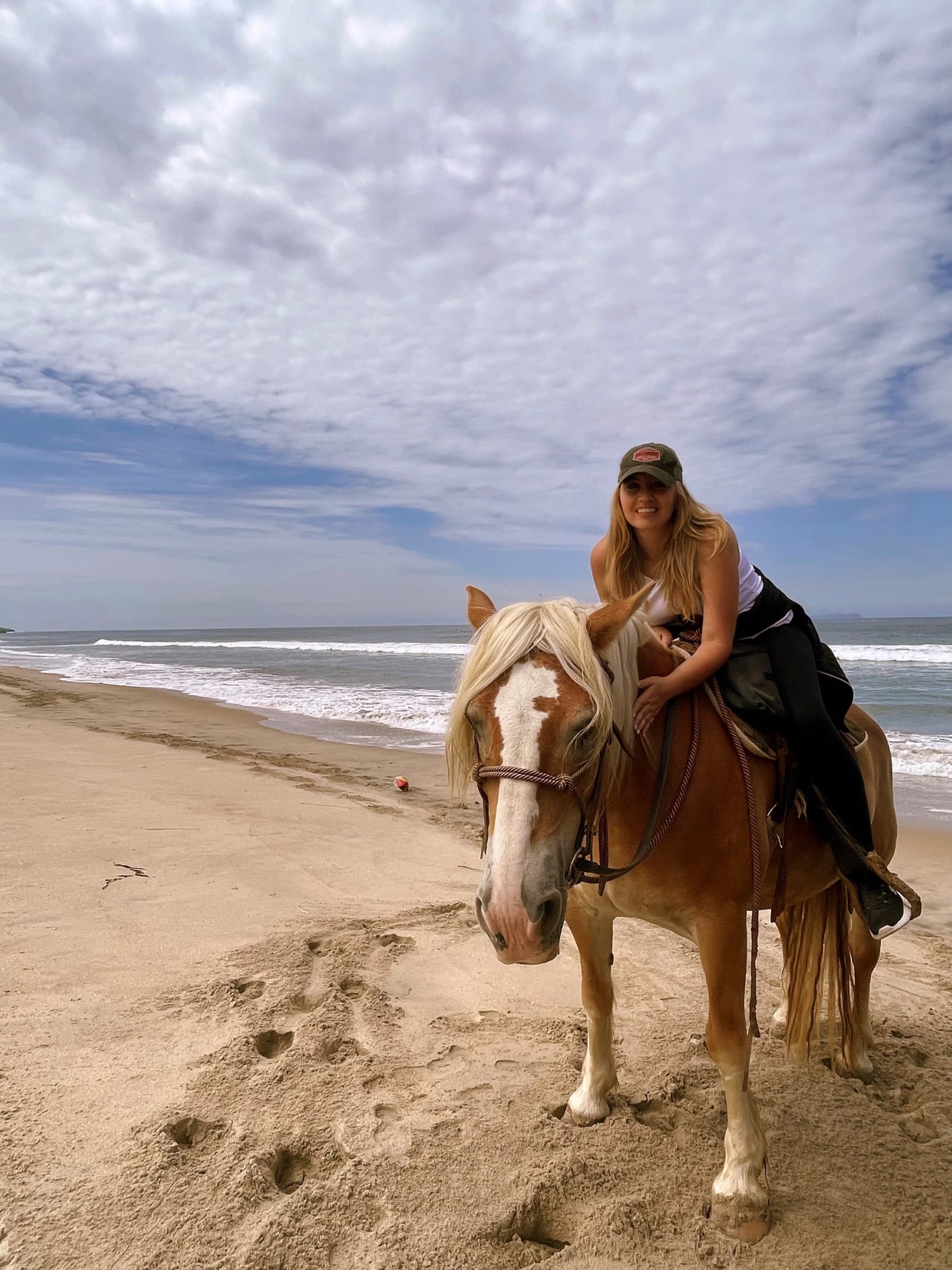
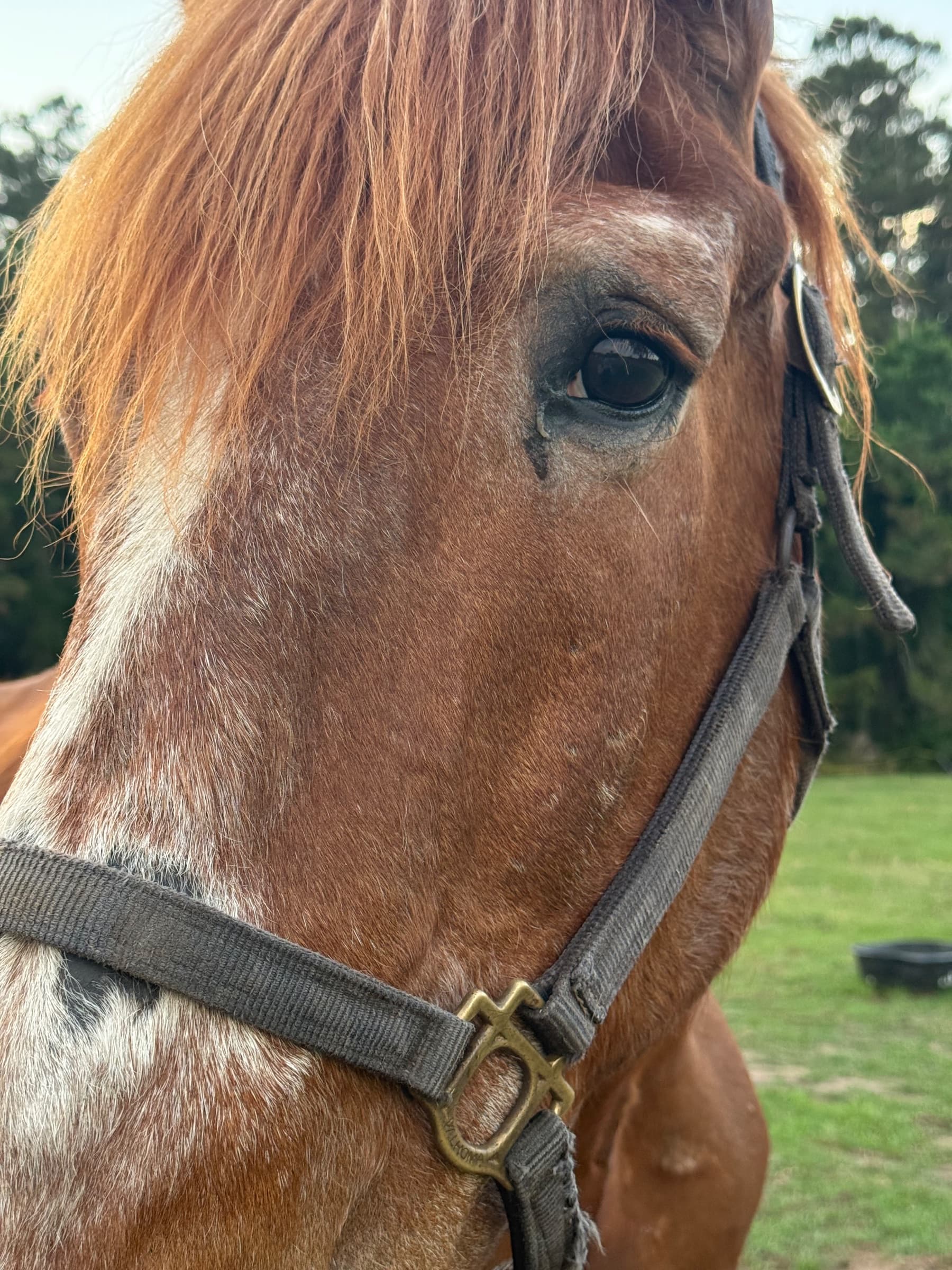
Do you ever stand near a horse and feel like it’s looking right into your soul? or is that just me?
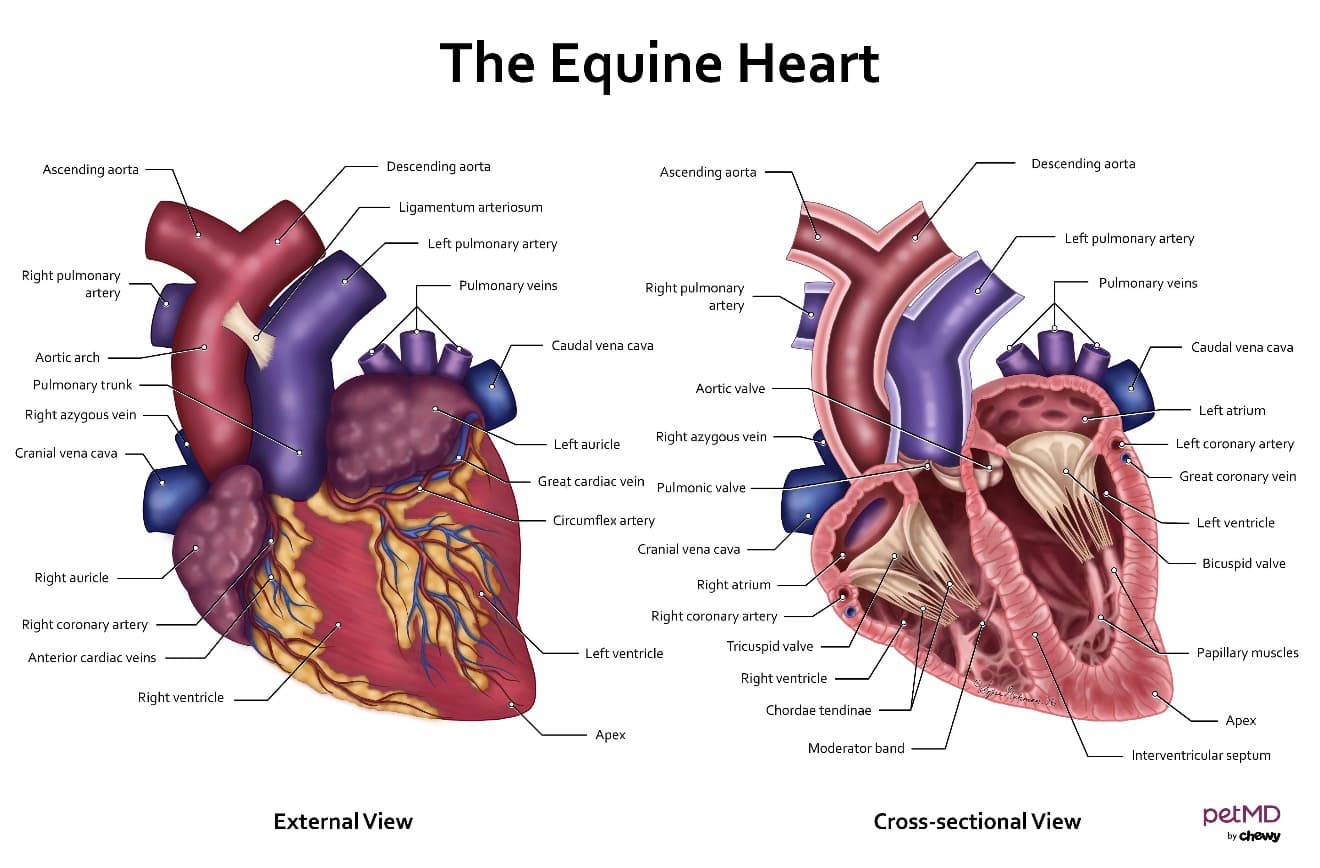
A horse’s heart is considerably larger than a human’s, and like ours, it generates an electromagnetic field with every beat.
This happens because the heart runs on electrical impulses. Whenever electrical charges move, they produce magnetic fields that extend beyond the body. It’s a basic principle of physics, and it means that every living heartbeat produces a tiny, invisible magnetic signature.
But here’s where things become particularly interesting. Researchers have observed that horses and humans can experience something called physiological synchronization. During certain interactions, patterns in their heart rhythms can become coordinated. Our nervous systems are constantly responding to the world around us, and apparently, to one another.
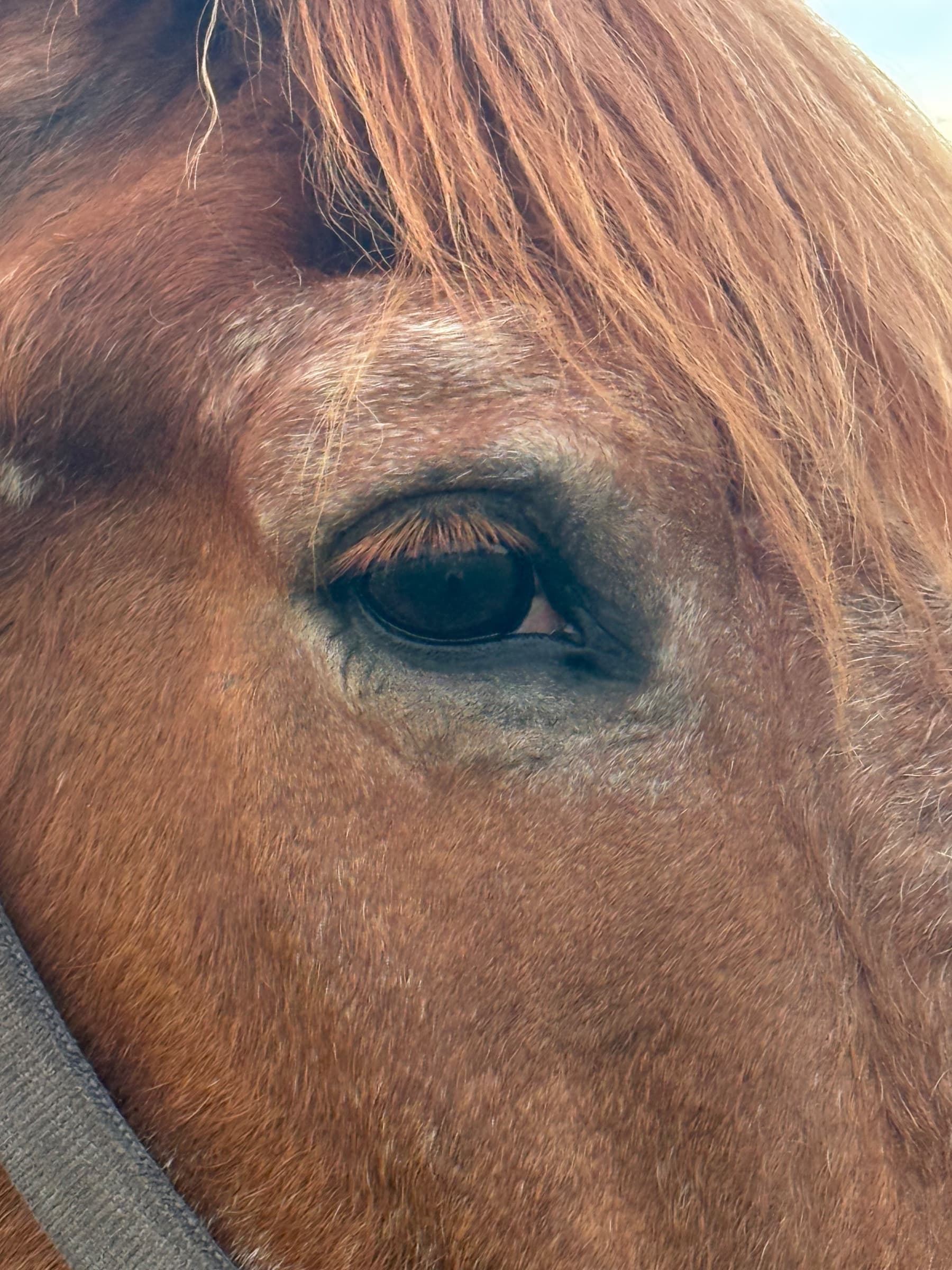
There is real science behind the heart's electromagnetic activity. However, some popular explanations go beyond what science has actually demonstrated.
1. The physics: Why does a horse's heart generate an electromagnetic field?
Every heartbeat begins with an electrical event.
A horse's heart contains billions of cells. Specialized cardiac cells generate electrical impulses through the movement of charged ions, primarily sodium, potassium, and calcium, across their membranes.
These impulses coordinate the contraction of the heart muscle.
According to classical electromagnetism:
Moving electrical charges generate magnetic fields.
Changing magnetic fields and electrical currents are related through Maxwell's equations.
The coordinated electrical activity of the heart produces magnetic fields that extend beyond the animal's body.
A horse's heart is considerably larger than a human heart, and its electrical activity can be measured using an electrocardiogram (ECG).
But a larger heart does not automatically mean a proportionally larger external magnetic field. The field depends on electrical currents, their geometry, and how they combine.

2. Why the electromagnetic field extends beyond the body
One important principle in physics is that electromagnetic fields are not confined to the object generating them.
The magnetic field produced by cardiac currents extends into the surrounding space, although it becomes weaker with distance.
For a simplified magnetic dipole, the field strength decreases approximately as:
Here, represents magnetic field strength and represents distance.
This means that moving twice as far away can reduce the dipole field to approximately one-eighth of its previous strength, when the approximation applies.
The horse's heart produces a real, measurable magnetic field, but it is extremely weak compared with the Earth's magnetic field.
Claims that a horse's heart field extends exactly five or ten feet, or is a particular number of times stronger than a human's, should be treated cautiously without direct measurements.
3. The quantum physics perspective
This is where we need to distinguish two levels of physics.
At the microscopic level, the atoms, electrons, and ions making up the horse's heart obey quantum mechanics. Quantum physics helps explain the properties of matter and the chemical bonds that allow biological cells to function.
But the heart's electromagnetic field is a large-scale phenomenon that can be explained extremely well using classical electromagnetism.
Quantum physics does not currently provide evidence that a horse's heart transmits emotions, healing energy, or consciousness into another person's body.
The idea of quantum entanglement is particularly interesting, but it has a precise scientific meaning. It does not mean that two beings become quantum-entangled simply because they feel connected.
4. The really fascinating part: Can a horse's heart synchronize with yours?
There is evidence of something called physiological synchronization.
In a 2024 study published in iScience, researchers found bidirectional patterns of synchronization in heart rate variability between horses and humans. The relationship depended partly on familiarity and the type of interaction.
Heart rate variability, or HRV, describes the changing intervals between heartbeats and reflects aspects of autonomic nervous system regulation.
Imagine standing quietly beside a horse, gently stroking its neck. Your breathing, attention, emotional state, and heart rhythms may change as you interact.
The horse is also responding to you.
Researchers have observed that the physiological rhythms of humans and horses can become coordinated during these interactions.
What has not been established is that this synchronization occurs because the horse's magnetic heart field directly influences the human heart.
Behavior, touch, movement, sensory cues, and nervous system responses are plausible explanations.
5. Why this is so extraordinary
The most compelling scientific idea isn't necessarily that a horse has a giant electromagnetic aura.
It's that two completely different nervous systems can become physiologically coordinated through interaction.
A horse weighing 1,000 pounds and a human weighing 150 pounds have very different bodies, yet their cardiovascular regulation can exhibit measurable relationships.
This is a beautiful example of how biology, physics, and social connection intersect.
And it raises a fascinating research question: How much of what we experience as emotional connection is accompanied by measurable synchronization between living organisms?
That question is scientifically meaningful, even without invoking quantum entanglement.
Thoughts:💭
We have become so convinced of our superiority that we often overlook the extraordinary abilities of the animals sharing this planet with us. They navigate the world through senses we barely understand, communicate without language, and perceive things we may never fully comprehend.
Maybe animals have far more to teach us than we’ve allowed ourselves to believe. And perhaps the greatest obstacle to understanding them isn’t a lack of science, but the size of the human ego.