SEP 05 2026 · WRITTEN IN AUSTIN TEXAS · PERSONAL
Bridging Community and Scaling Wealth
The 12 Tribes + The Ho Chunk Ancestry
Something strange has happened over the last month.
I’ve stumbled across two completely unrelated organizations, one in Minnesota, where I grew up, the other in a little restaurant in Georgia. I became fascinated by both of them for exactly the same reason.
At first, I didn’t even realize there was a connection.
The first was the Twelve Tribes.
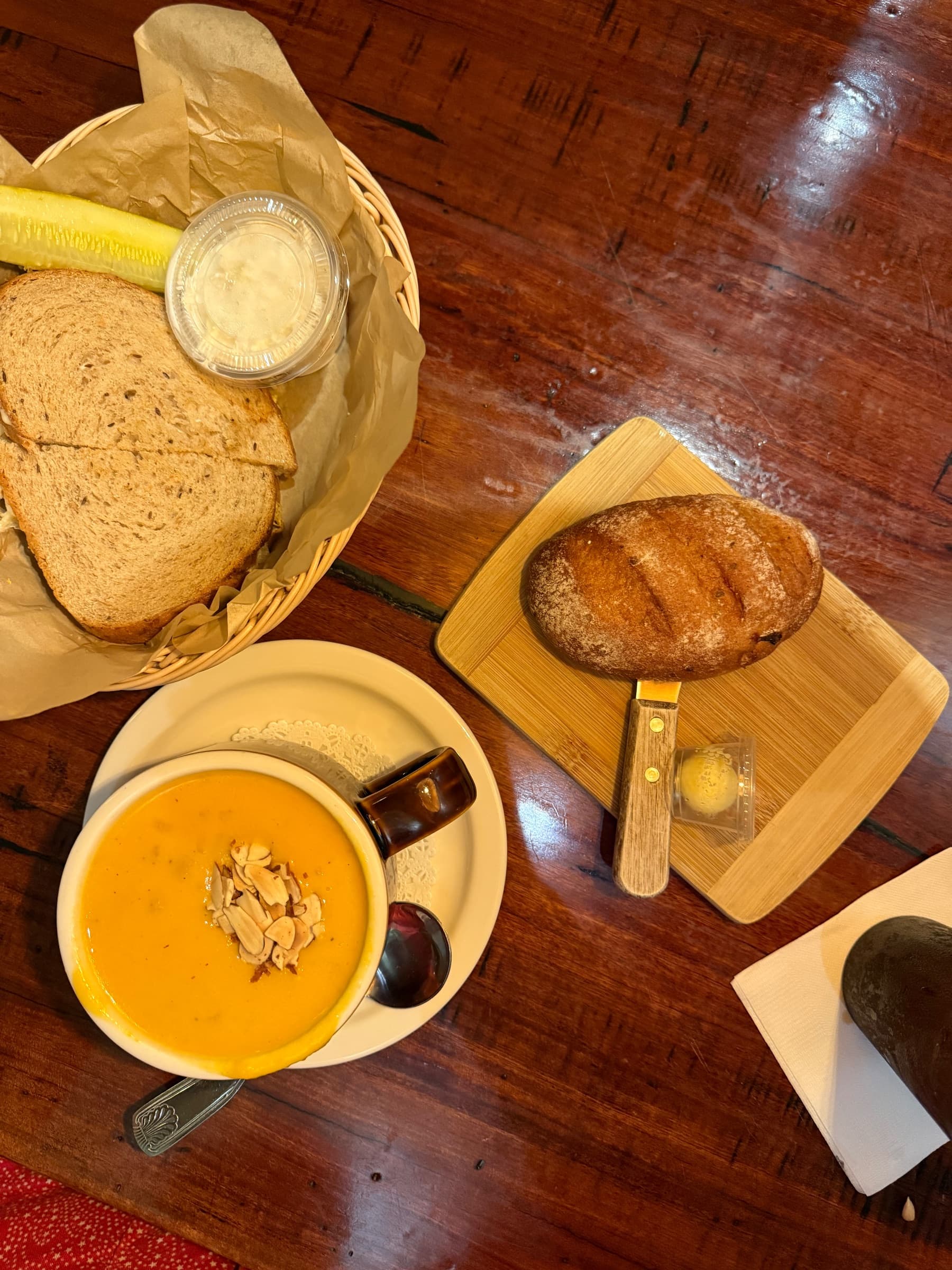
I had visited one of their Yellow Deli restaurants in Georgia, and what struck me initially had nothing to do with economics or business models. It was simply the way the place felt.
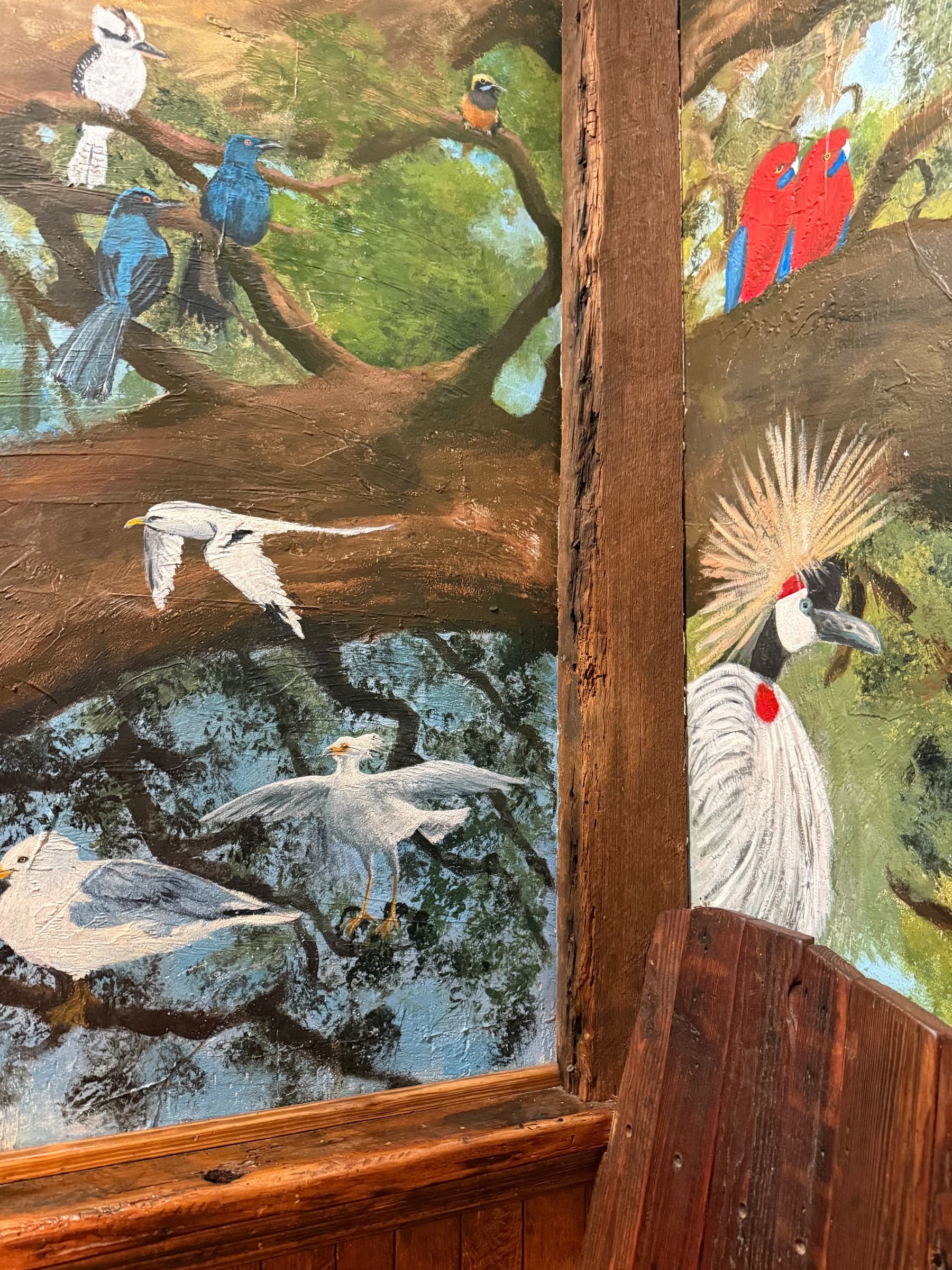
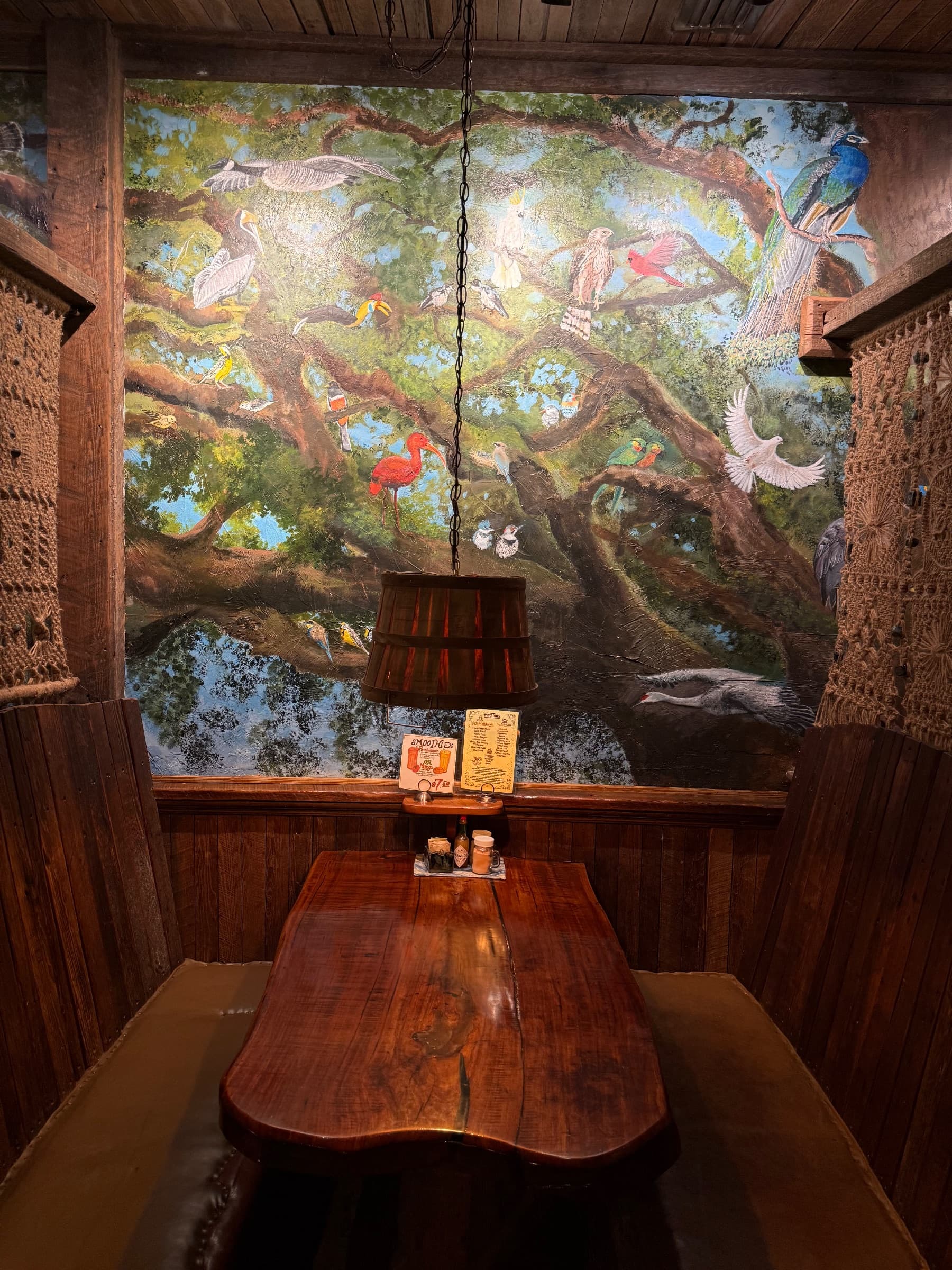
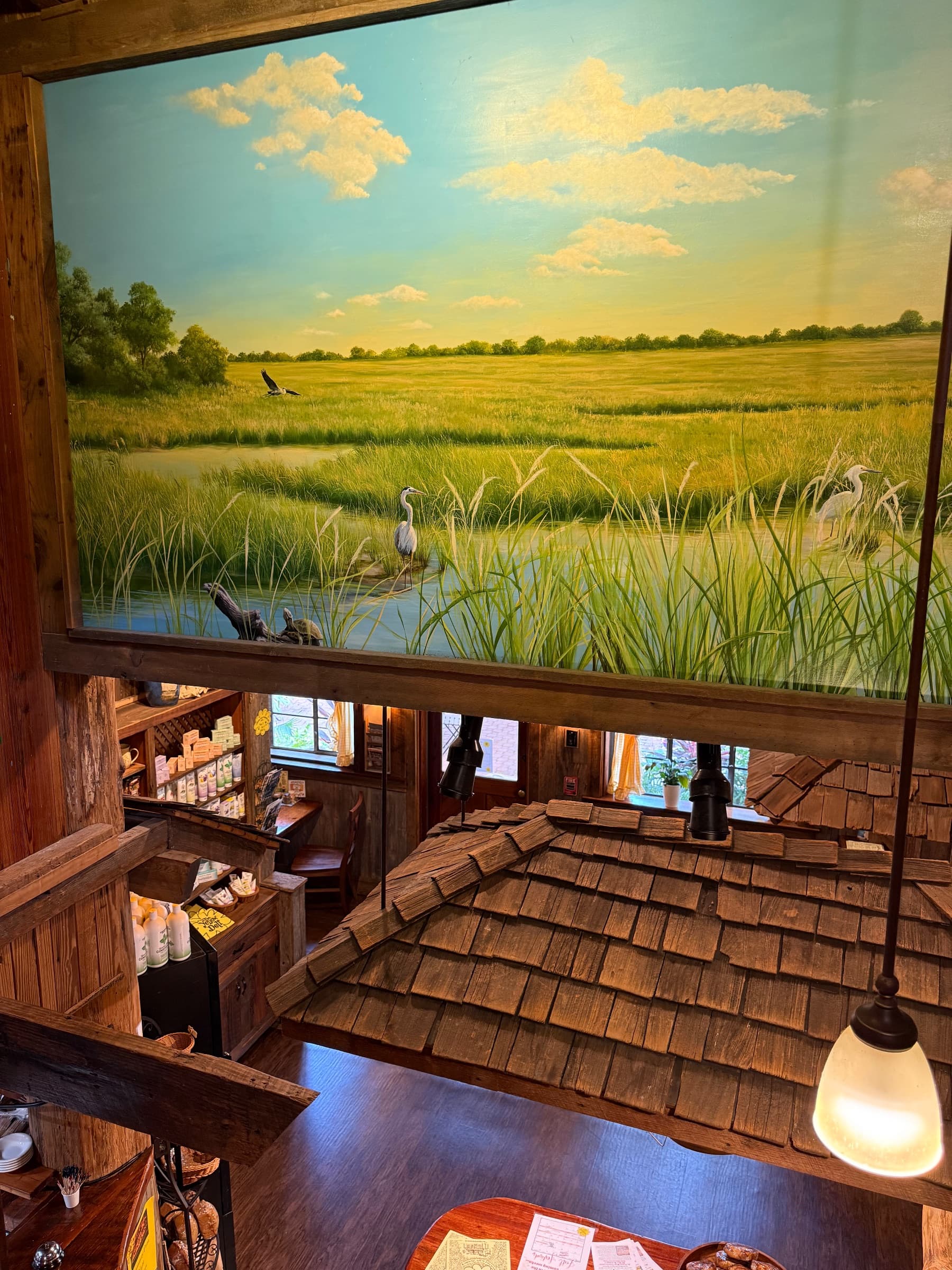
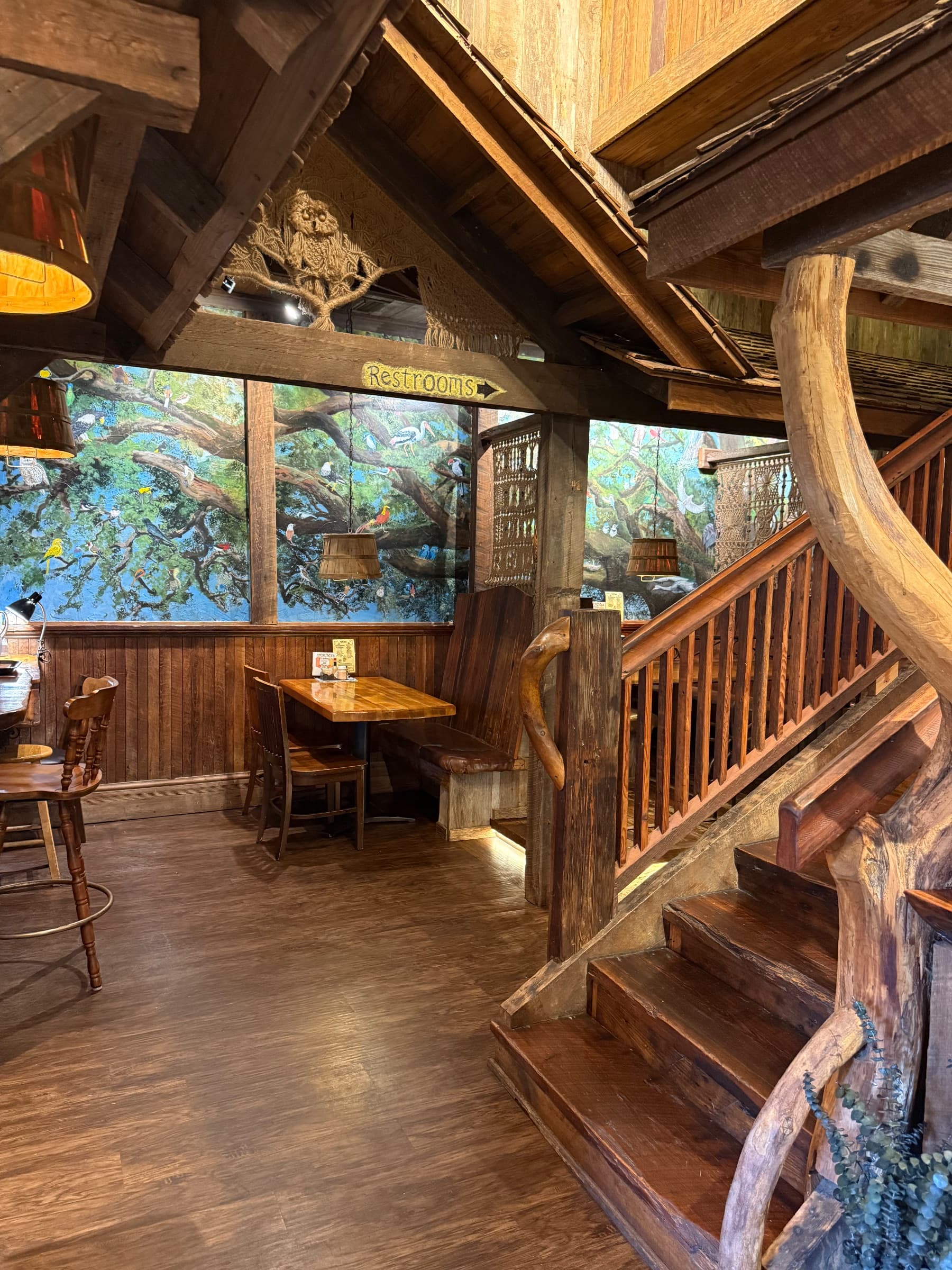
People were paying attention. I noticed it first by the woodworking and the beautifully handcrafted murals on the walls of birds that took months to create.
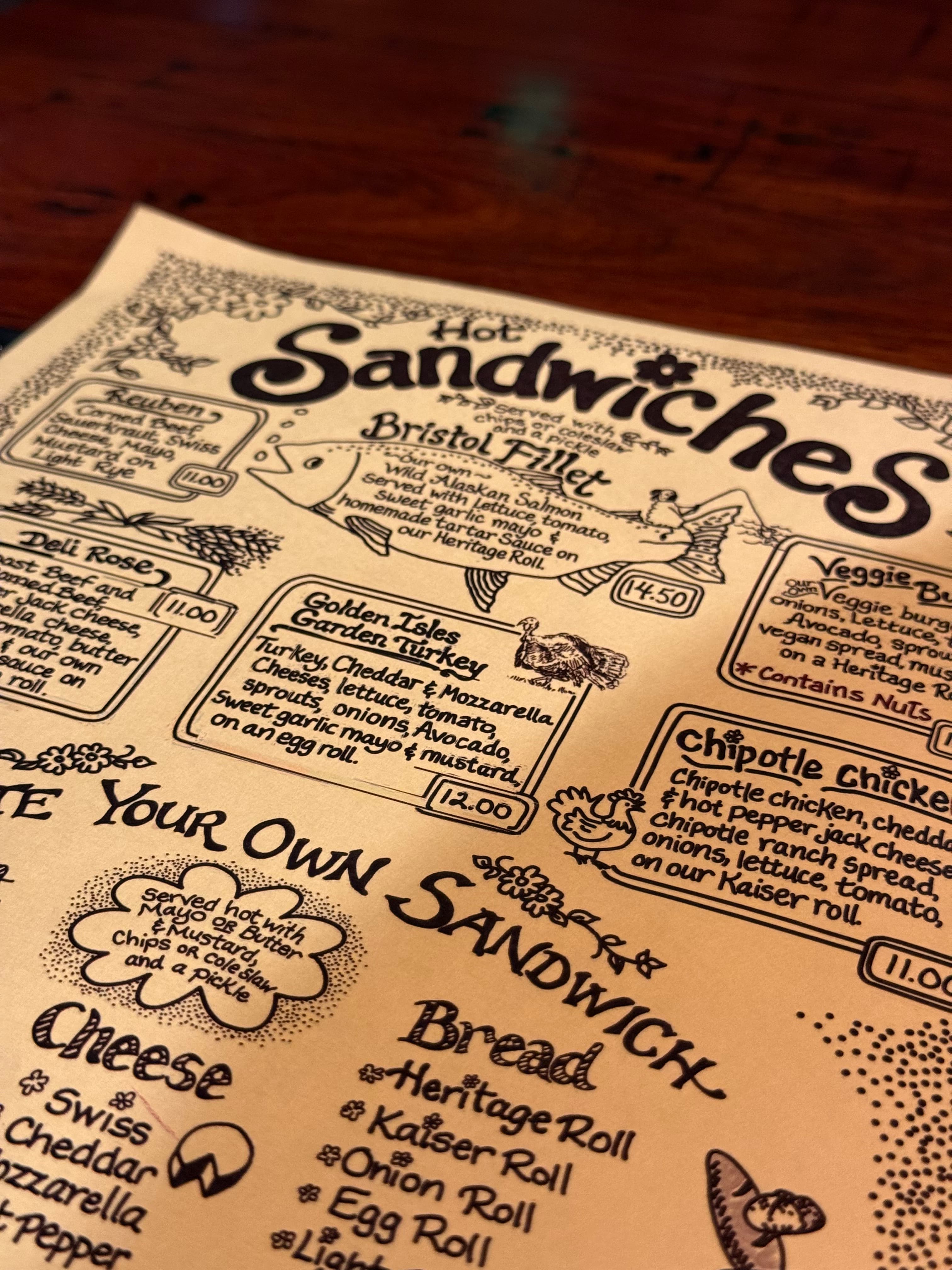
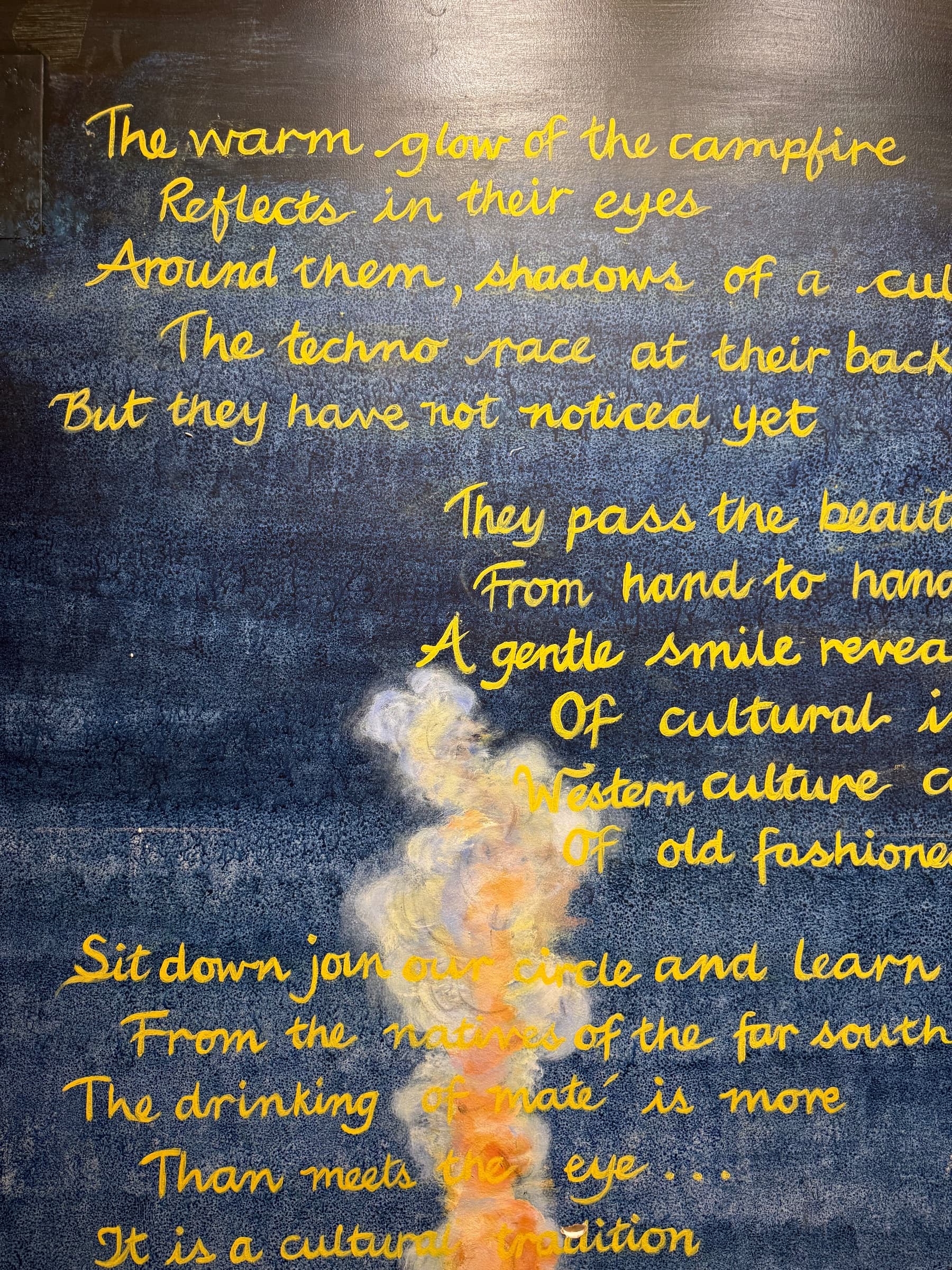
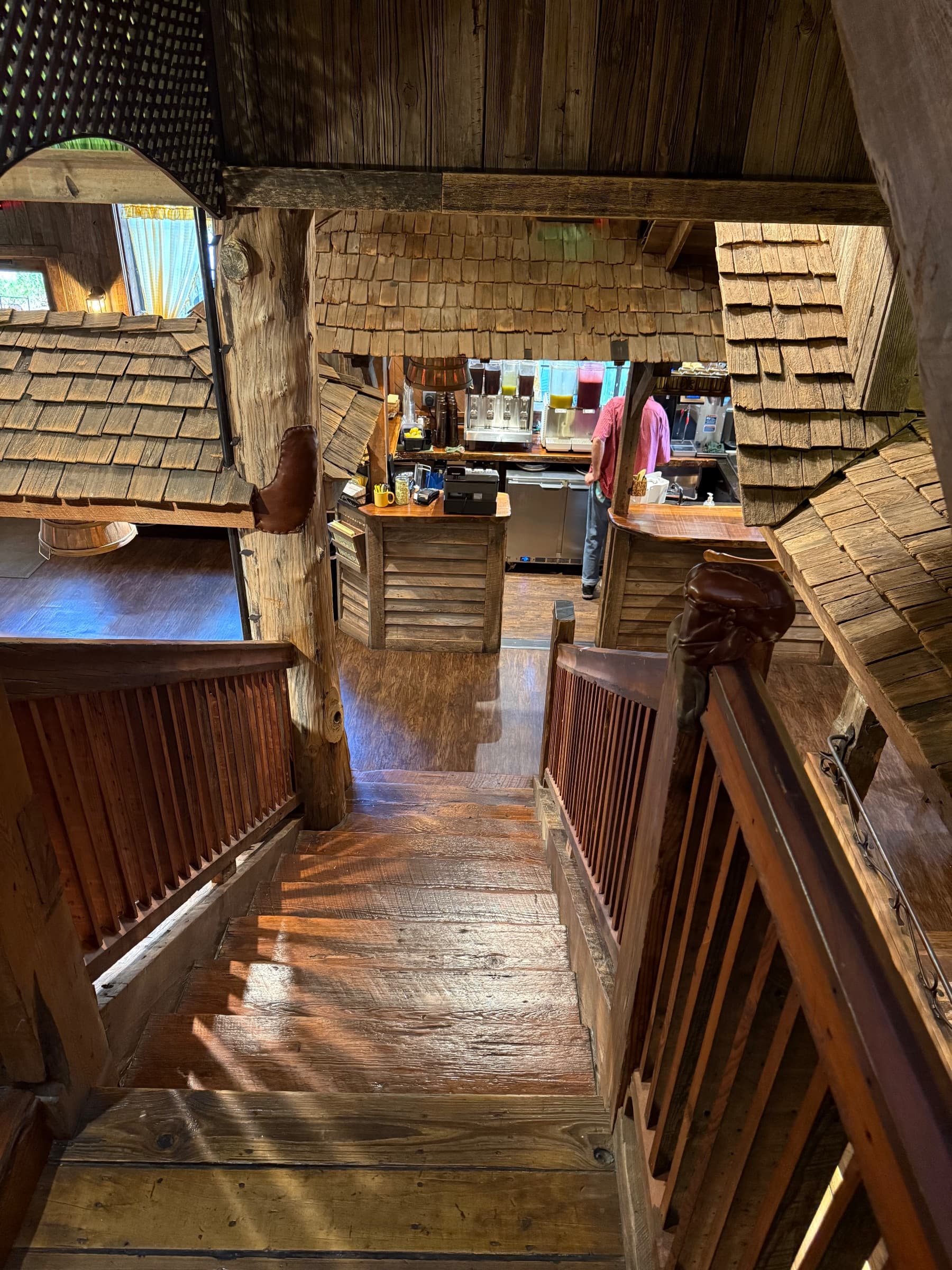
The service was attentive. The food was carefully made. The building itself was almost impossible for me not to study, the woodwork, the carvings, the paintings, the little details that clearly hadn’t been thrown together in an afternoon.
Over the past 20 years, I’ve watched customer service and work ethic steadily decline. You can sit in a restaurant without water while the waiter stands behind the counter staring at his phone for five minutes after coming back from a smoke break. And somehow this has become normal. It’s not about the glass of water. It’s about awareness, pride, and giving a tiny bit about the job you’re doing. That seems to be disappearing.
I remember looking around thinking, Somebody cared about this.
And because I am someone who notices things like that, it stayed with me.
I eventually started asking the employees about the people behind it and discovered that the Yellow Deli wasn’t simply another restaurant chain. The Twelve Tribes is a Christian communal movement whose members describe themselves as sharing their lives and possessions in common. Their communities operate farms, delis and other businesses together. The movement began in the 1970s, and its communities and businesses eventually spread well beyond the place where they started.
I found that fascinating, not necessarily because I share their beliefs or agree with everything about their way of life, but because of the intentionality of it.
They built something that supports the community that built it.
And then, completely separately, I discovered something about a company I’ve known about for years.
Dynamic Homes in Detroit Lakes, Minnesota. I grew up in this area, my dad actually worked at dynamic homes growing up.
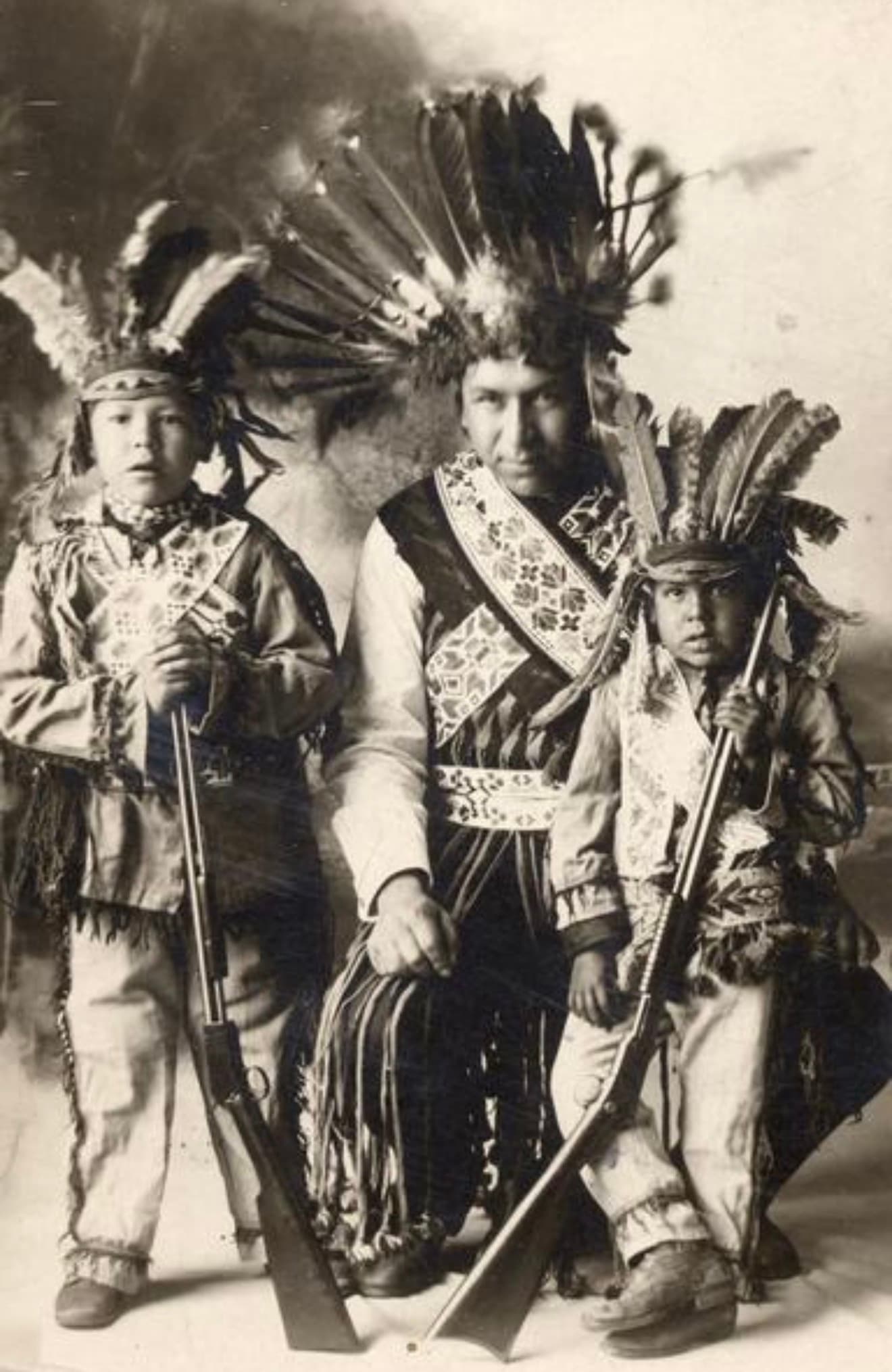
Dynamic Homes was founded in 1970, and in 2000 it went from being publicly traded to privately held after an acquisition led by Ho-Chunk, Inc., the economic-development corporation of the Winnebago Tribe of Nebraska. Contemporary reporting described it as one of the first business deals of its kind involving an American Indian tribe.
But again, the acquisition itself wasn’t the part that stopped me.
It was why they did it.
The Winnebago community needed quality, affordable housing.
So Ho-Chunk didn’t simply say, We need to find somebody who will build us houses.
They invested in a company that knew how to build houses.
Dynamic Homes went on to build nearly all of the homes in Ho-Chunk Village and has since built hundreds of housing units in Indian Country.
And then I kept reading.
They needed people to set the homes, so Ho-Chunk created a construction company.
They recognized that many tribal members didn’t have sufficient credit to qualify for homeownership, so they created a vehicle business designed in part to provide fair financing and help people establish credit.
They needed better access to financing for the homes, so they invested in a bank.
One problem exposed the next problem.
And instead of stopping at each obstacle, they kept building another piece of the system.
That’s when the connection clicked for me.
I had somehow stumbled across two radically different groups of people within the span of about a month who had both figured out something that most of us seem to have forgotten.
They stopped thinking only as individuals.
⸻
The Winnebago Tribe of Nebraska is a sovereign Indigenous nation with a history and culture extending far beyond modern American business. The Twelve Tribes is a relatively recent religious movement that emerged in the 1970s.
Their histories, beliefs and structures are completely different.
I’m not comparing those things.
I’m noticing a pattern in how people organize themselves economically.
Both made me think about what happens when a group of people decides
at how most of us live.
We need food, so we buy it from somebody.
We need housing, so we buy or rent it from somebody.
We need employment, so we ask somebody to hire us.
We need financing, so we ask somebody to lend us money.
We need childcare, so we pay somebody.
And when one of those outside systems stops working for us, we can suddenly feel completely powerless.
Someone loses a job and thinks, Nobody is hiring me.
Someone can’t afford a house and thinks, I’ll never own one.
Someone looks at the price of food and thinks, How am I supposed to keep doing this?
And I’m beginning to wonder whether sometimes the problem isn’t that there’s no opportunity.
Maybe we’ve simply become so accustomed to looking for solutions outside of ourselves and outside of our communities that we’ve forgotten how much can be created when people intentionally organize around one another.
That doesn’t mean everybody needs to live communally.
It doesn’t mean everybody needs to grow their own food.
And it certainly doesn’t mean we need to copy either of these organizations.
It’s the mindset underneath them that interests me.
The Twelve Tribes describes its communities as sharing things in common and living almost like an extended family. Their farms help feed their communities. Their businesses help support them. The Yellow Delis themselves grew out of that communal life.
Ho-Chunk, Inc. was created for a different reason but with its own form of long-term thinking: the Winnebago Tribe wanted to diversify its economy and create jobs and prosperity rather than remain dependent upon gaming revenue. (Ho-Chunk Inc.)
One built restaurants and farms.
One bought a housing manufacturer and built an interconnected economic-development system.
Intentionality.
⸻
There is a reason why on my website it says “The Art of Paying Attention.”
I notice things other people sometimes don’t seem to notice.
Sometimes I love that about myself.
Sometimes it makes me feel incredibly isolated.
Because I’ll walk into a business and immediately see five things that could be done differently. I’ll notice when nobody acknowledges the person who just walked through the door. I’ll see the employee staring at a phone while a customer waits. I’ll notice the crooked sign, the forgotten detail, the opportunity nobody seems to be picking up.
And sometimes I think:
Does anybody else see this?
One observation led to another.
That’s what paying attention actually does.
You start seeing connections.
⸻
And maybe that’s why these two stories found me at the same time.
Maybe the deeper realization isn’t really about Dynamic Homes or the Yellow Deli at all.
Maybe they’re examples of something I’ve been trying to understand in my own life.
We talk constantly about how disconnected people have become.
We talk about loneliness.
We talk about not being able to find jobs.
We talk about housing being unaffordable.
We talk about food being expensive.
We talk about how difficult it is to start businesses.
We talk about how powerless ordinary people feel.
But I wonder how much collective ability is sitting unused all around us.
One person knows how to grow food.
Another understands accounting.
Someone can build.
Someone can sell.
Someone can cook.
Someone owns land.
Someone understands technology.
Someone has capital.
Someone doesn’t have any of those things but will work harder than everybody else in the room.
Separately, they may all look at their individual limitations.
Together, they’re something completely different.
They’re resources.
Potentially, they’re an economy.
And maybe we don’t see that because we’ve been trained to look at ourselves as individuals first.
And lately, I’ve learned not to ignore the things I keep noticing.